


Effective Strategies for Global Cargo Handling
- Dec 22, 2025
- 3 min read
Managing cargo across borders is a complex task. It requires precision, coordination, and a deep understanding of logistics. I have found that applying effective strategies in global cargo handling can significantly improve efficiency and reduce costs. This post outlines practical approaches to optimize your freight operations and ensure smooth delivery worldwide.
Understanding the Basics of Global Cargo Handling
Global cargo handling involves the movement of goods from one country to another. It includes various stages such as packaging, transportation, customs clearance, and final delivery. Each step demands careful planning and execution.
To start, you must:
Identify the type of cargo: Different goods require different handling methods. Perishables, hazardous materials, and oversized items each have unique requirements.
Choose the right mode of transport: Air, sea, rail, or road transport each have pros and cons. Consider cost, speed, and reliability.
Comply with regulations: Every country has its own import and export rules. Understanding these is crucial to avoid delays and fines.
By mastering these basics, you lay a strong foundation for efficient cargo management.
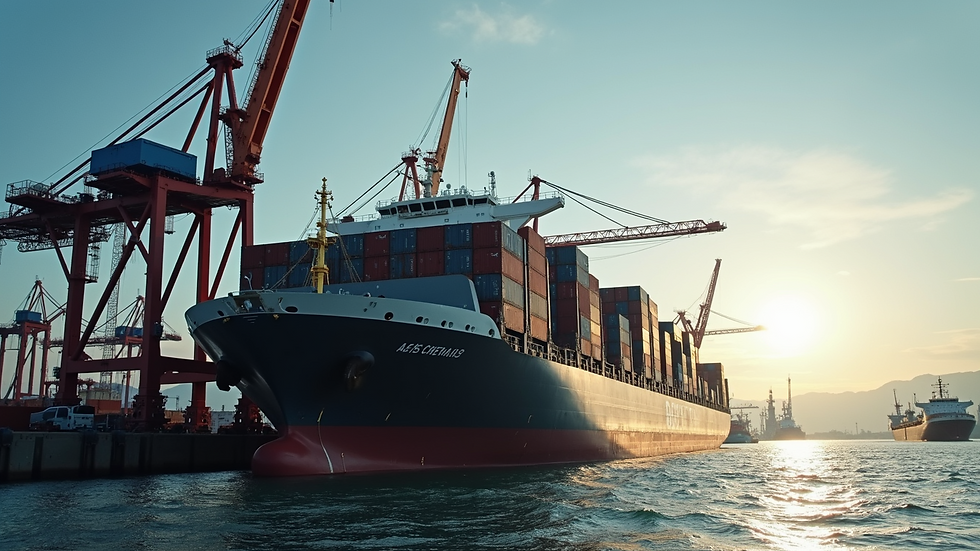
Key Components of Global Cargo Handling
Successful global cargo handling depends on several critical components. I focus on these to streamline operations:
Packaging and Labeling
Proper packaging protects goods during transit. Labels must clearly indicate contents, handling instructions, and destination. This reduces damage and confusion.
Documentation
Accurate paperwork is essential. Bills of lading, commercial invoices, and certificates of origin must be complete and error-free. This speeds up customs clearance.
Tracking and Visibility
Real-time tracking systems allow you to monitor shipments at every stage. This helps anticipate issues and communicate updates to stakeholders.
Customs Clearance
Efficient customs processing avoids costly delays. Work with experienced brokers who understand local regulations and can expedite approvals.
Warehousing and Distribution
Strategically located warehouses enable faster delivery and reduce transportation costs. Use inventory management systems to optimize stock levels.
By focusing on these components, you can improve reliability and customer satisfaction.
Leveraging Technology in Cargo Management
Technology plays a vital role in modern global cargo handling. I recommend integrating digital tools to enhance efficiency:
Transportation Management Systems (TMS)
These platforms help plan routes, manage carriers, and optimize loads. They reduce manual errors and improve decision-making.
Warehouse Management Systems (WMS)
WMS software streamlines inventory control, order fulfillment, and storage. It increases accuracy and speeds up processing.
Electronic Data Interchange (EDI)
EDI enables seamless communication between partners. It automates document exchange, reducing paperwork and delays.
IoT and Sensors
Internet of Things devices monitor cargo conditions such as temperature and humidity. This is crucial for sensitive goods.
Blockchain
Blockchain technology enhances transparency and security in the supply chain. It provides an immutable record of transactions.
Adopting these technologies helps maintain competitive advantage and ensures smooth operations.

Best Practices for Risk Management in Cargo Handling
Risk is inherent in global freight. I follow these best practices to minimize disruptions:
Conduct thorough risk assessments
Identify potential hazards such as weather, political instability, or theft. Develop contingency plans accordingly.
Use reliable carriers and partners
Vet service providers carefully. Choose those with proven track records and strong insurance coverage.
Implement security measures
Secure packaging, tamper-evident seals, and GPS tracking reduce theft and loss.
Maintain clear communication
Keep all parties informed about shipment status and any issues. Prompt communication enables quick problem resolution.
Regularly review and update procedures
Continuous improvement helps adapt to changing conditions and regulations.
By proactively managing risks, you protect your cargo and maintain service quality.
Enhancing Efficiency Through Collaboration and Partnerships
Collaboration is key in global cargo handling. I emphasize building strong relationships with partners:
Work closely with customs brokers
Their expertise speeds up clearance and ensures compliance.
Coordinate with carriers and freight forwarders
Sharing information and aligning schedules reduces delays.
Engage with local agents
Local knowledge helps navigate regional challenges and regulations.
Leverage industry networks
Participate in forums and associations to stay updated on best practices and market trends.
Invest in training and development
Equip your team with the skills needed to manage complex logistics.
Strong partnerships create a seamless supply chain and improve overall performance.
Moving Forward with Confidence in Global Cargo Handling
Effective global cargo handling requires a strategic approach. By understanding the fundamentals, leveraging technology, managing risks, and fostering collaboration, you can optimize your freight operations. I encourage you to explore how international cargo management solutions can support your business goals. With the right strategies, you can expand your reach and deliver exceptional service worldwide.


Comments